The Lansky system delivers precision sharpening, offering controlled angles for consistently razor-sharp blades. It’s a popular choice for both beginners and experienced knife enthusiasts.
What is the Lansky Sharpening System?
The Lansky Sharpening System is a guided sharpening solution designed to help users achieve professional-level results with ease. Unlike traditional freehand sharpening methods, Lansky utilizes a clamp and guide rod system to maintain a consistent angle throughout the sharpening process. This controlled-angle approach is particularly beneficial for those new to sharpening or struggling to achieve consistent results with whetstones.
The system includes a clamp that securely holds the knife blade, guide rods for each honing stone, and a selection of abrasive stones in varying grits. It’s a versatile kit capable of reconditioning dull edges, sharpening existing ones, and maintaining a razor-sharp finish. Lansky offers various systems, including universal and natural Arkansas stone options, catering to different needs and budgets.
Why Choose a Guided Sharpening System?
Guided sharpening systems, like Lansky, eliminate much of the guesswork involved in achieving a sharp edge. Maintaining a consistent angle is crucial for effective sharpening, and freehand methods require significant practice. Lansky’s system provides that consistency, making it ideal for beginners and experienced users alike.
A guided system reduces the risk of damaging your blade and ensures a uniform bevel. It’s also more efficient, saving time and effort compared to traditional whetstone sharpening. The Lansky system’s versatility allows sharpening of various knife types, including serrated blades with the appropriate attachments. Ultimately, it delivers professional results with greater ease and predictability.

Understanding the Components
The Lansky system includes a clamp, guide rods, honing stones (various grits), honing oil, and screws – all working together to deliver a precise, sharp edge.
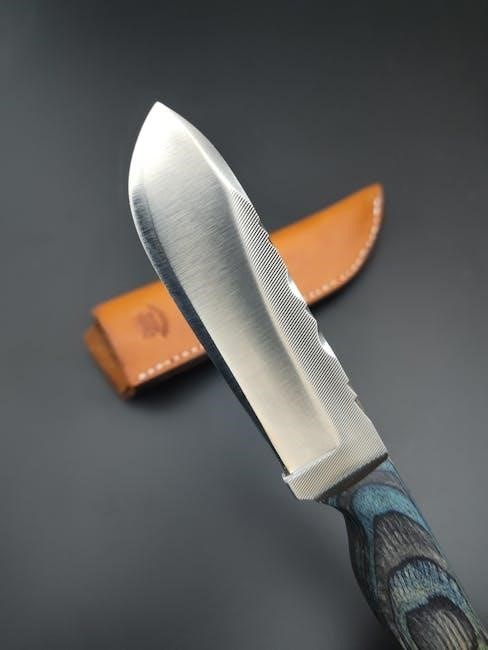
The Universal System Kit Contents
The Lansky Universal System is a comprehensive kit designed for sharpening a wide variety of knives. It typically includes a patented, multi-angle clamp to securely hold the blade during the sharpening process. You’ll find a selection of honing stones – a coarse red (120 grit) for reconditioning, a medium green (280 grit) for sharpening, and a fine blue (600 grit) for refining the edge.
Furthermore, the kit provides specially formulated honing oil to lubricate the stones and improve the sharpening action. Guide rods, one for each honing stone, ensure consistent angles. Extra-long screws accommodate thicker blades, and a durable storage/carrying case keeps everything organized. Finally, detailed, multi-lingual instructions guide you through each step of the sharpening process, making it accessible for all skill levels.
Honing Stones: Types and Grits
Lansky systems utilize a range of honing stones, each designed for a specific stage of sharpening. The coarse red stone (120 grit) aggressively removes metal, ideal for repairing damaged edges or establishing a new bevel. The medium green stone (280 grit) refines the edge created by the coarse stone, preparing it for final sharpening.
Finally, the fine blue stone (600 grit) polishes the edge to achieve a razor-sharp finish, perfect for frequent touch-ups. Some systems, like the Natural Arkansas variant, feature soft, hard, and black hard Arkansas stones for even greater control and refinement. Proper grit selection is crucial for achieving optimal sharpness and maintaining blade integrity.
Coarse Red Hone (120 Grit)
The 120-grit coarse red hone is the workhorse of the Lansky system, designed for significant metal removal. It’s your go-to stone when dealing with dull, damaged, or chipped blades needing substantial reconditioning. This aggressive grit quickly establishes a new bevel or corrects existing imperfections.
Applying ample honing oil is essential when using this stone to prevent clogging and ensure smooth operation. Remember to maintain consistent pressure and angle throughout the sharpening process. While effective, the coarse hone leaves a relatively rough finish, requiring subsequent stages with finer grits for refinement and a truly sharp edge.
Medium Green Hone (280 Grit)
The 280-grit medium green hone bridges the gap between aggressive material removal and refined sharpening. Following the coarse red hone, it refines the bevel established earlier, removing scratches and preparing the edge for further polishing. This stone is ideal for sharpening knives that aren’t severely damaged but require a noticeable improvement in sharpness.
Consistent honing oil application remains crucial for optimal performance. Use moderate pressure and maintain the chosen angle. The medium hone delivers a noticeably smoother edge than the coarse stone, making it suitable for frequent touch-ups and maintaining a working edge.
Fine Blue Hone (600 Grit)
The 600-grit fine blue hone is the final stage in achieving a truly refined and razor-sharp edge. It polishes the bevel created by the medium green hone, removing any remaining micro-scratches and maximizing sharpness. This stone is perfect for frequent touch-ups, maintaining a “paper-slicing” edge on your knives with minimal material removal.
Light pressure and consistent angle control are key when using the fine hone. Ensure ample honing oil lubrication. This stage doesn’t dramatically reshape the edge, but significantly enhances its cutting ability and overall smoothness. Regular use keeps blades performing at their peak.
The Clamp and Guide Rods
The Lansky clamp securely holds the knife blade during sharpening, ensuring stability and consistent angle maintenance. It features a multi-angle design, allowing for precise adjustments to match the existing or desired bevel. Extra-long screws accommodate thicker blades, providing a versatile grip.
Guide rods are crucial for directing the honing stones along the correct angle. Each hone utilizes a dedicated guide rod, inserted into the clamp and providing a channel for smooth, controlled sharpening strokes. Proper alignment of the guide rod is essential for achieving a uniform edge.
Honing Oil: Its Importance
Honing oil plays a vital role in the Lansky sharpening process, acting as a lubricant to reduce friction between the honing stone and the knife blade. This minimizes heat buildup, preventing potential damage to the steel’s temper. Specifically formulated honing oil also helps to carry away metal particles removed during sharpening, keeping the stone clean and effective.
Consistent application of honing oil ensures a smoother, more efficient sharpening experience, resulting in a finer, more polished edge. Without adequate lubrication, the stone can become clogged, leading to uneven sharpening and potential scratching of the blade.
Setting Up the Lansky System
Proper setup involves securely clamping the knife, selecting the desired sharpening angle, and carefully inserting the guide rod for consistent honing.
Attaching the Clamp to the Knife Blade
Begin by loosening the clamp screws to accommodate the knife blade. Carefully position the blade within the clamp, ensuring it’s centered and secure. Tighten the screws gradually and evenly, using the extra-long screws if dealing with a thicker blade.
The goal is a firm, stable hold without damaging the blade’s finish. Avoid over-tightening, as this could potentially scratch or warp the steel. Double-check the blade’s alignment within the clamp before proceeding to the next step. A properly secured blade is crucial for achieving consistent sharpening results and maintaining the desired edge angle throughout the process.
Selecting the Correct Angle
Choosing the right angle is vital for optimal performance. Most kitchen knives benefit from a 20-degree angle, while hunting or outdoor knives often perform best at 25-30 degrees. The Lansky system allows for precise angle adjustments using the guide rods.
Refer to the instructions included with your kit for specific angle settings. Start with a lower angle if unsure, as you can always increase it later. Consistent angle maintenance is key; the system’s design helps achieve this. Incorrect angles can lead to a weak or ineffective edge, so take your time and ensure accuracy during setup.
Inserting the Guide Rod
Once the clamp is secured and the desired angle selected, carefully insert the appropriate guide rod into the clamp. Each honing stone corresponds to a specific guide rod – ensure you’re using the correct one for the grit you’re employing. The rod should slide smoothly into the designated holes within the clamp mechanism.
Proper insertion is crucial for maintaining the chosen angle throughout the sharpening process. Double-check that the guide rod is fully seated and stable before beginning to hone. A loose or improperly inserted rod will compromise accuracy and result in an uneven or inconsistent edge.
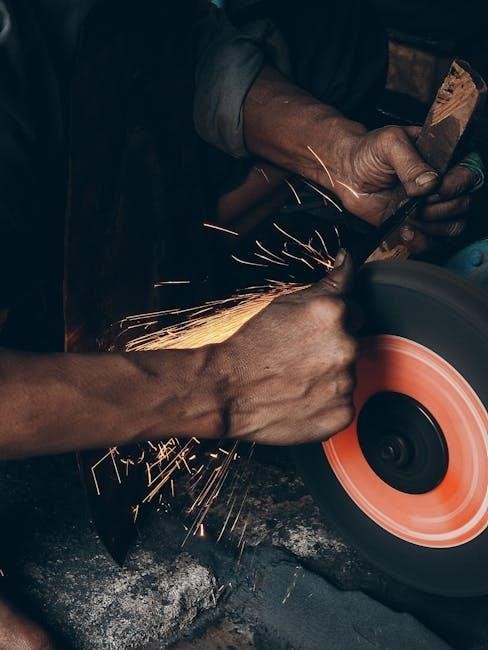
Sharpening Process: Step-by-Step
The Lansky system utilizes a three-stage process: reconditioning with the coarse hone, sharpening with the medium, and refining with the fine hone.
Stage 1: Edge Reconditioning (Coarse Hone)
Begin with the coarse red hone (120 grit) when your knife has significant damage, dullness, or a severely altered edge angle. This stage focuses on reshaping the blade’s edge, removing metal to establish a new, consistent bevel. Apply honing oil liberally to the stone and maintain consistent pressure while drawing the knife across it, following the guide rod.
Count consistent strokes – approximately 10-20 per side – and ensure you’re maintaining the chosen angle throughout. Regularly check your progress, but avoid excessive pressure, which can lead to uneven sharpening. The goal isn’t sharpness yet, but rather to rebuild the foundation of the edge. Wipe the blade clean between honing sessions.
Stage 2: Sharpening (Medium Hone)
Transition to the medium green hone (280 grit) after successfully reconditioning the edge with the coarse stone. This stage refines the bevel created in Stage 1, moving closer to a sharp edge. Continue applying honing oil generously and maintain the same angle established previously. Employ consistent, moderate pressure, and again, count your strokes – around 20-30 per side – for even sharpening.
Focus on creating a consistent burr along the entire edge. This indicates that you’re removing metal evenly. Regularly wipe the blade to monitor your progress. The medium hone is ideal for regular sharpening and less frequent touch-ups, maintaining a functional edge.
Stage 3: Refining the Edge (Fine Hone)
Now, switch to the fine blue hone (600 grit) for the final refinement of your blade’s edge. This stage polishes the bevel, removing any remaining burr and creating a truly sharp, clean cutting surface. Continue using honing oil and maintaining the established angle. Reduce the pressure slightly compared to the previous stages, and increase the stroke count to approximately 30-40 per side.
The fine hone is perfect for frequent touch-ups, keeping your blade “paper-slicing” sharp. Inspect the edge carefully; it should exhibit a bright, reflective sheen. This final stage delivers a professional-quality, razor-sharp edge.
Maintaining Your Sharpened Edge
Regular touch-ups with the fine hone (600 grit) are crucial for preserving sharpness. Frequent, light honing extends the time between full sharpening sessions.
Regular Touch-Ups with the Fine Hone
Maintaining a razor-sharp edge doesn’t always require a complete re-sharpening process. The Lansky system’s fine blue hone (600 grit) is ideal for frequent, light touch-ups. These quick sessions realign the blade’s microscopic teeth, restoring sharpness without removing significant material.
To perform a touch-up, simply re-attach the clamp to your knife, select your desired angle, and use the fine hone with honing oil. Employ a few gentle strokes on each side of the blade, mirroring the motion used during the initial sharpening stages. This process is significantly faster than a full sharpening and helps prolong the life of your blade and honing stones.
Consistent touch-ups prevent the edge from becoming excessively dull, reducing the effort needed for future sharpening. It’s a proactive approach to blade care, ensuring your knife is always ready for use.
Frequency of Sharpening
Determining how often to sharpen depends heavily on usage. Knives used daily for demanding tasks – like food preparation or outdoor activities – will require more frequent attention than those used occasionally. Regular touch-ups with the fine hone (600 grit) can extend the time between full sharpenings.
As a general guideline, consider sharpening when you notice a decrease in cutting performance. A simple paper test – attempting to cleanly slice through paper – can indicate dullness. If the blade tears or struggles, it’s time to sharpen. For heavily used knives, monthly sharpening may be necessary, while others might only need it a few times a year.
Proactive maintenance is key. Consistent touch-ups minimize the need for aggressive sharpening, preserving your blade’s longevity and ensuring optimal performance.
Troubleshooting Common Issues
Common problems include angle inconsistencies, scratch marks, and uneven sharpening. Careful setup, consistent pressure, and proper honing oil usage usually resolve these issues.
Difficulty Maintaining a Consistent Angle
Maintaining a consistent angle is crucial for effective sharpening with the Lansky system. If you’re struggling, ensure the clamp is securely attached to the blade and the guide rod is fully inserted. Double-check that you’ve selected the desired angle accurately before beginning the sharpening process.
Apply even, downward pressure during each stroke, and avoid lifting the hone between passes. A wobbly setup or inconsistent pressure can lead to angle variations. Practice slow, deliberate strokes, focusing on keeping the hone flat against the guide. Regularly inspect the edge to monitor your progress and adjust your technique as needed. Remember, patience and a steady hand are key!
Scratch Marks on the Blade
Scratch marks on the blade during Lansky sharpening usually indicate an issue with the honing stone or honing oil. Ensure your honing stone is clean and free of debris; use a soft brush to remove any particles. Always use sufficient honing oil to lubricate the surface and prevent metal buildup.
If scratches persist, try a finer grit stone. Coarse stones are for re-profiling, and can leave visible scratches. Progress to medium and fine grits for a polished finish. Avoid excessive pressure, as this can exacerbate scratching. Regularly clean both the blade and the stone during the sharpening process to maintain optimal results.
Uneven Sharpening
Uneven sharpening with the Lansky system often stems from inconsistent pressure or angle maintenance during the honing process. Ensure you apply even pressure along the entire blade length with each stroke. Double-check that the clamp is securely fastened and the guide rod is properly inserted for consistent angle control.
Also, verify you’re sharpening both sides of the blade equally. Count your strokes on each side to maintain symmetry. If unevenness persists, slightly adjust the clamp position and repeat the process. Patience and consistent technique are key to achieving a uniformly sharp edge.

Advanced Techniques
Mastering the Lansky allows for serrated blade sharpening and repairing damaged edges, restoring even heavily worn knives to peak performance and sharpness.
Sharpening Serrated Blades
Sharpening serrated blades with the Lansky system requires the specialized serrated honing stone, included in some kits. Unlike smooth edges, each serration must be individually sharpened, demanding patience and a steady hand. Secure the blade firmly in the clamp, ensuring the serrations are accessible.
Utilize light pressure and follow the existing serration angle, carefully honing each tooth. Avoid applying excessive force, as this can damage the delicate serration geometry. Frequent, light passes are more effective than attempting to remove material quickly. The goal is to refine each serration, restoring its cutting ability without altering its shape. Remember to maintain consistent pressure and angle throughout the process for uniform results.
Repairing a Damaged Edge
Repairing a damaged edge with the Lansky system begins with assessing the extent of the damage. Chips or significant irregularities require initial work with the coarse red hone (120 grit) to re-establish the blade’s geometry. Employ a lower angle initially, focusing on removing material gradually to avoid further damage.
Maintain consistent pressure and angle during each pass, working along the entire length of the damaged area. Once the major imperfections are addressed, transition to the medium (280 grit) and fine (600 grit) hones to refine the edge and restore sharpness. Patience is key; avoid rushing the process to achieve optimal results and a durable, restored edge.
Lansky System Variations
Lansky offers diverse systems, including the Natural Arkansas and Deluxe versions, each featuring unique stone selections and components for varied sharpening needs and budgets.
Natural Arkansas Sharpening System
The Lansky Natural Arkansas Sharpening System provides a professional-grade sharpening experience utilizing the renowned qualities of natural Arkansas stones. This system distinguishes itself with a patented, precision-engineered, multi-angle, flip-over knife clamp, ensuring secure blade positioning throughout the sharpening process.
Included are three distinct Arkansas stones – Soft, Hard, and Black Hard – each offering a different level of abrasiveness for comprehensive edge work. These stones are color-coded and feature finger grooves for enhanced control and safety. A dedicated guide rod accompanies each stone, maintaining consistent sharpening angles. The system also includes specially formulated honing oil, extra-long clamp screws for thicker blades, a custom molded storage case, and comprehensive multi-lingual instructions.
Deluxe Sharpening System
The Lansky Deluxe Sharpening System represents a comprehensive solution for achieving and maintaining exceptionally sharp knife edges. Building upon the foundation of the Universal System, the Deluxe version expands capabilities with a broader range of honing stones and accessories. It features the same precision-engineered, multi-angle clamp for secure blade holding and consistent angle control.
This deluxe kit typically includes a wider selection of abrasive grits, potentially encompassing diamond stones alongside the traditional Arkansas stones, offering versatility for various steel types and edge conditions. Additional guide rods and a robust storage case are also standard. Detailed, multi-lingual instructions guide users through the entire sharpening process, ensuring optimal results and a professional finish.
Resources and Further Learning
Explore Lansky’s official website for detailed guides and support. The Reddit r/sharpening community offers valuable tips, discussions, and troubleshooting assistance from fellow users.
Lansky’s Official Website
Lansky’s official website serves as a comprehensive resource for all things related to their sharpening systems. You’ll find detailed product information, including specifications for each kit and individual component. Crucially, the site hosts a library of instructional videos demonstrating proper setup and sharpening techniques, catering to visual learners.
Downloadable manuals are readily available, providing step-by-step guidance for various knife types and edge conditions. Beyond basic instructions, Lansky offers articles addressing common sharpening challenges and advanced techniques. The website also features a frequently asked questions (FAQ) section, addressing common user inquiries. Finally, you can locate authorized dealers and purchase replacement parts directly through their online store, ensuring continued optimal performance of your Lansky system.
Online Forums and Communities (Reddit r/sharpening)
Reddit’s r/sharpening is a vibrant online community dedicated to the art of knife sharpening, offering a wealth of knowledge and support for Lansky system users. Newcomers can find answers to specific questions, troubleshoot issues, and learn from the experiences of others.
Discussions frequently cover Lansky setup, angle selection, honing stone usage, and techniques for repairing damaged edges. Users often share photos and videos of their sharpening results, providing valuable visual examples. The forum is an excellent place to discover advanced tips and tricks, explore alternative sharpening methods, and receive constructive criticism on your technique. It’s a fantastic resource for expanding your sharpening skills beyond the basic instructions.