Craftsman GT3000 Manual: A Comprehensive Guide (Updated 02/26/2026)
Welcome! This manual unlocks the full potential of your Craftsman GT3000, offering detailed guidance on features and functions for optimal performance and longevity․
Congratulations on selecting the Craftsman GT3000! This robust lawn and garden tractor is engineered for durability and performance, designed to tackle a variety of property maintenance tasks with ease․ This manual serves as your comprehensive resource, guiding you through operation, maintenance, and troubleshooting․
The GT3000 boasts a powerful engine and a sturdy frame, making it suitable for homeowners with medium to large-sized properties․ Before first use, carefully review this manual to familiarize yourself with all controls, safety features, and recommended procedures․ Understanding your GT3000’s capabilities will ensure safe and efficient operation, maximizing its lifespan and delivering years of reliable service․
We’ve included detailed diagrams and step-by-step instructions to simplify maintenance tasks․ Remember, regular upkeep is crucial for maintaining peak performance․ This manual will reveal the full value of your new machine!
Understanding the GT3000 Model Variations
The Craftsman GT3000 series encompasses several variations, each tailored to specific needs and preferences․ Key distinctions lie in deck size, engine horsepower, and transmission type․ Deck sizes typically range from 42 to 48 inches, influencing cutting width and efficiency․ Engine options generally include Briggs & Stratton or Kohler engines, with horsepower varying to match the intended workload․
Transmission choices include manual and hydrostatic options․ Hydrostatic transmissions offer smooth, variable speed control, ideal for frequent direction changes, while manual transmissions provide a more traditional operating experience․ Accessory compatibility also differs slightly between models; some support optional attachments like snow blowers or carts․
Refer to your specific model’s serial number to identify its exact configuration and compatible parts․ This manual provides general guidance, but always consult supplemental documentation for model-specific details․

Safety Precautions & Operating Instructions
Prioritize safety! Always read and understand all instructions before operating the GT3000, ensuring a safe and productive mowing experience for everyone involved․
General Safety Rules
Crucially, operate the Craftsman GT3000 only when conditions are favorable – good visibility and dry ground․ Keep bystanders, especially children and pets, a safe distance away during operation․ Never allow riders on the mower․ Thoroughly inspect the mowing area for obstacles like rocks, toys, or wires before each use․
Always wear appropriate safety gear, including sturdy footwear, eye protection, and hearing protection․ Never operate the mower while under the influence of drugs or alcohol․ Be aware of potential hazards like uneven terrain and slopes․ Ensure the blade is properly installed and sharpened before use․ Do not modify the safety features of the mower․
Remember to disengage the blades and parking brake before exiting the operator’s seat․ Always shut off the engine before refueling or performing maintenance․ Report any unusual noises or vibrations immediately․ Follow all local regulations regarding noise levels and operating hours․ Respect your surroundings and operate responsibly․
Pre-Operation Checklist
Before each use, diligently check the oil level, ensuring it’s within the recommended range․ Inspect the fuel level and add fresh gasoline as needed, avoiding spills․ Verify that the air filter is clean and free of debris for optimal engine performance․ Examine the tires for proper inflation and any signs of damage․
Confirm the blade is securely attached and sharpened – a dull blade reduces cutting efficiency and strains the engine․ Check all safety shields and guards are in place and functioning correctly․ Inspect the steering mechanism for smooth operation and responsiveness․ Ensure the parking brake engages firmly․
Finally, clear the mowing area of any obstacles like rocks, branches, or toys․ Confirm no one is within the operating range of the mower․ Review the operator’s manual for any specific pre-operation instructions․ A thorough checklist ensures safe and efficient operation․
Starting and Stopping the Engine
To start the engine, ensure the parking brake is engaged and the blades are disengaged․ Turn the ignition key to the “on” position, then depress the clutch or brake pedal as required․ Slowly turn the key further to the “start” position, releasing it immediately upon engine ignition․ Allow the engine to warm up for a few minutes before engaging any attachments․
To stop the engine, disengage the blades and slowly reduce the throttle․ Turn the ignition key to the “off” position․ Always allow the engine to come to a complete stop before dismounting․ Never abruptly shut off the engine while under load, as this can cause damage․ Remember to remove the key to prevent unauthorized use․
Follow these procedures carefully for safe and reliable engine operation․
Mowing Techniques & Best Practices
For optimal results, mow when the grass is dry․ Adjust the cutting height to suit your lawn’s needs – generally, avoid removing more than one-third of the grass blade length at a time․ Overlap each mowing pass by a few inches to prevent scalping and ensure a consistent cut․

Vary your mowing pattern with each cut to promote healthy grass growth and prevent soil compaction․ Consider using a mulching kit to return nutrients to the lawn․ Avoid mowing in wet conditions, as this can damage the lawn and clog the mower deck․ Always discharge clippings away from walkways and buildings․
Regular mowing promotes a thicker, healthier lawn․

Maintenance Schedule & Procedures
Proactive maintenance ensures peak performance and extends the life of your Craftsman GT3000; follow the recommended schedule for optimal results and reliability․
Routine Maintenance Tasks
Consistent upkeep is crucial for a long-lasting Craftsman GT3000․ Regularly check the oil level before each use, adding oil as needed to maintain the proper fill level – consult the ‘Fluid Capacities’ section for specifics․ Inspect the tire pressure and adjust to the recommended PSI (found in ‘Tire Specifications’) for optimal traction and handling․
After every mowing session, thoroughly clean the underside of the mowing deck, removing accumulated grass clippings and debris to prevent corrosion and ensure efficient cutting․ Visually inspect belts for wear and tear, noting any cracks or fraying․ A quick check of all bolts and fasteners ensures everything remains securely tightened during operation․ Don’t forget to wipe down the exterior surfaces to keep your GT3000 looking its best!
Finally, periodically grease all lubrication points as detailed in the parts diagrams to minimize friction and wear on moving components․
Air Filter Maintenance
Maintaining a clean air filter is paramount for optimal engine performance․ A dirty filter restricts airflow, reducing power and potentially damaging the engine․ Inspect the air filter after every 25 hours of operation, or more frequently in dusty conditions․ To access the filter, locate the air filter housing – refer to the ‘Engine Parts Diagram’ for its exact position․
Remove the filter and check for dirt and debris․ If the filter is lightly soiled, gently tap it to remove loose particles․ For heavily soiled filters, replace it with a new one․ Never attempt to clean a foam filter with compressed air, as this can damage the foam structure․
Ensure the air filter housing is properly sealed after installation to prevent unfiltered air from entering the engine․ A clean air filter ensures efficient combustion and prolongs engine life․
Spark Plug Replacement
Regular spark plug replacement is crucial for maintaining consistent engine ignition and performance․ It’s recommended to replace the spark plug(s) every 100 hours of operation, or annually, whichever comes first․ Before beginning, ensure the engine is completely cool․ Locate the spark plug(s) – consult the ‘Engine Parts Diagram’ for precise positioning․
Disconnect the spark plug wire(s) and carefully remove the old spark plug(s) using a spark plug wrench․ Inspect the old plug(s) for signs of wear, fouling, or damage․ Gap the new spark plug(s) to the specification listed in the ‘Engine Specifications’ section using a spark plug gapping tool․
Install the new spark plug(s) hand-tight, then tighten with the wrench to the specified torque․ Reconnect the spark plug wire(s) securely․ Proper spark plug maintenance ensures reliable starting and efficient engine operation․
Blade Sharpening & Replacement
Maintaining sharp mower blades is essential for a clean cut and healthy lawn․ Dull blades tear grass, leading to brown tips and increased disease susceptibility․ Inspect blades regularly for damage – nicks, bends, or excessive wear․ Sharpen blades at least twice per mowing season, or more frequently if encountering sandy soil․
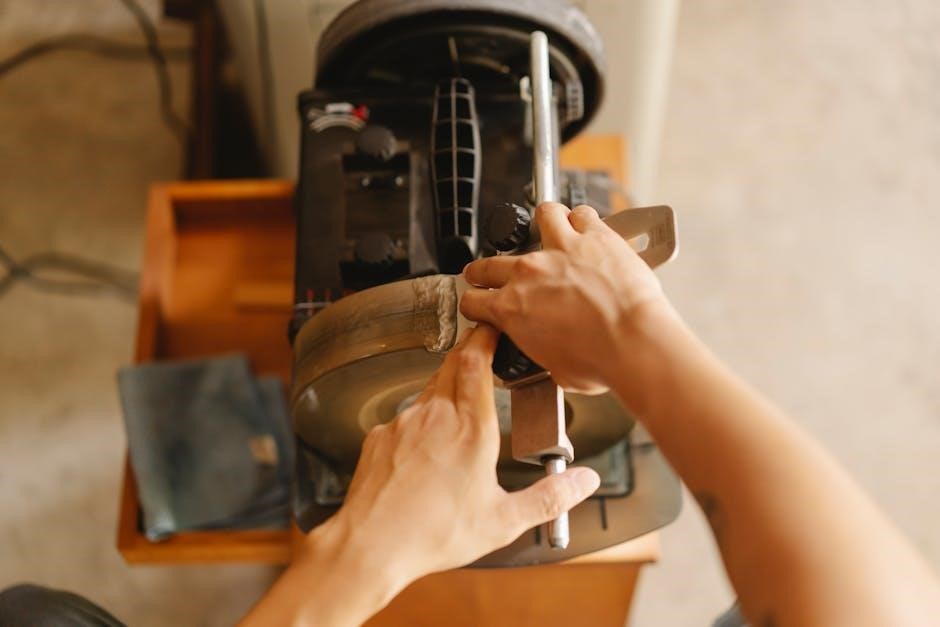
To sharpen, remove the blades (refer to ‘Deck Parts Diagram’) and secure them in a vise․ Use a file or grinding wheel to restore the original cutting angle․ Ensure balanced sharpening to prevent vibration․ If blades are severely damaged or worn, replace them with manufacturer-approved replacements․
When installing new blades, ensure correct orientation and tighten bolts to the specified torque․ Improperly installed blades can be hazardous․ Always disconnect the spark plug wire before working on the blades!
Belt Inspection & Replacement
Drive and deck belts are crucial for transferring power to the mowing deck and propelling the tractor․ Regularly inspect belts for cracks, fraying, glazing, or excessive wear․ A worn belt will slip, reducing cutting performance and potentially causing damage to the transmission․ Listen for squealing sounds during operation, which often indicates a slipping belt․
To replace a belt, disconnect the spark plug wire for safety․ Refer to the ‘Deck Parts Diagram’ and ‘Engine Parts Diagram’ for belt routing․ Loosen the tensioner pulley to remove the old belt, then install the new belt, ensuring proper alignment․ Re-tension the pulley and verify belt tracking before resuming operation․
Using the correct belt type is vital; consult the ‘Technical Specifications’ section for part numbers․ A damaged or incorrectly sized belt can lead to premature failure and potential injury․

Troubleshooting Common Issues
Diagnose problems quickly! This section provides solutions for engine, mowing deck, steering, and hydraulic system issues, ensuring efficient repairs and uptime․
Engine Starting Problems
Difficulty starting your Craftsman GT3000? Several factors could be at play․ First, check the fuel level and ensure fresh gasoline is being used․ Stale fuel is a common culprit․ Next, inspect the spark plug; a fouled or damaged plug won’t ignite the fuel-air mixture․
Verify the battery connection is secure and the battery itself is fully charged․ A weak battery struggles to turn the engine over․ Also, examine the safety switches – the seat switch and blade engagement switch must be functioning correctly for the engine to start․
If the engine cranks but doesn’t start, consider a carburetor issue․ A clogged carburetor restricts fuel flow․ Finally, check the air filter; a dirty air filter can starve the engine of air․ Following these steps will help pinpoint and resolve most starting problems․
Mowing Deck Issues
Experiencing problems with your Craftsman GT3000’s mowing deck? Uneven cuts are often caused by dull or damaged blades․ Ensure blades are sharp, balanced, and properly installed․ Check the deck level; an unleveled deck results in scalping or uneven cutting heights․ Use a leveling gauge for accurate adjustment․
Inspect the deck belt for wear, cracks, or looseness․ A slipping or broken belt prevents the blades from spinning correctly․ Clear any debris – grass clippings, sticks, and stones – that may be obstructing the deck’s operation․
Verify the blade engagement cable is functioning smoothly․ A faulty cable may not fully engage the blades․ Finally, examine the deck spindles for damage or excessive play; worn spindles contribute to vibration and poor cutting performance․
Steering Problems
Difficulty steering your Craftsman GT3000? First, check the steering linkage for loose connections or damage․ Tighten any loose bolts and replace worn components․ Inspect the steering wheel shaft for play; excessive movement indicates a potential issue with the steering gearbox․
Low power steering fluid can cause stiff steering․ Check the fluid level and top up as needed, ensuring you use the correct type․ Examine the tires for proper inflation; uneven tire pressure affects steering responsiveness․
A worn steering gearbox may require professional repair or replacement․ Finally, verify the front wheels are aligned correctly; misalignment leads to pulling or wandering during operation․ Consult a qualified technician for alignment services․
Hydraulic System Concerns
Experiencing hydraulic issues with your Craftsman GT3000? Begin by checking the hydraulic fluid level – low fluid is a common culprit․ Ensure you’re using the manufacturer-recommended hydraulic oil․ Inspect hoses and fittings for leaks; even small leaks can significantly reduce performance․ Tighten connections or replace damaged hoses immediately․
Listen for unusual noises like whining or hissing, which may indicate a failing pump or valve․ Check the hydraulic pump drive belt for wear or looseness․ A slipping belt reduces pump efficiency․
If the lift arms aren’t responding, investigate the control valve for blockage or malfunction․ Severe issues, like pump failure, often require professional diagnosis and repair․

Parts Diagrams & Identification
Detailed diagrams are provided to assist in identifying components for engine, deck, steering, and hydraulic systems, ensuring accurate parts ordering and repairs․
Engine Parts Diagram
This section presents a comprehensive exploded view of the Craftsman GT3000 engine, meticulously detailing each component for simplified maintenance and repair procedures․ Key parts are clearly labeled, including the cylinder head, engine block, carburetor, muffler, and cooling fins․
Identifying numbers correspond directly to the parts list, facilitating accurate ordering of replacements․ Diagrams showcase the arrangement of belts, pulleys, and the flywheel assembly․ Understanding this layout is crucial for tasks like spark plug replacement and routine belt inspections․
Pay close attention to the oil filter and fuel tank positioning, as these are vital for engine health․ The diagram also illustrates the starter and alternator components, aiding in troubleshooting starting issues․ Refer to this diagram alongside the parts list for efficient engine servicing․
Deck Parts Diagram
This detailed diagram illustrates the Craftsman GT3000 mowing deck assembly, providing a clear visual guide for maintenance and repair․ Key components, including the cutting blades, deck spindles, and discharge chute, are precisely labeled for easy identification․
The diagram showcases the belt routing system, crucial for understanding blade engagement and disengagement․ It also highlights the deck height adjustment mechanism and the anti-scalp wheels, essential for achieving a clean and even cut․
Referencing this diagram alongside the parts list will simplify blade sharpening, replacement, and belt inspections․ Understanding the deck’s construction aids in resolving mowing quality issues and ensuring optimal performance․ Careful study will empower you to maintain a pristine lawn․
Steering Component Diagram
This diagram meticulously details the Craftsman GT3000’s steering system, offering a comprehensive view of its interconnected parts․ Key elements like the steering wheel, steering shaft, pitman arm, and front axle components are clearly labeled for straightforward identification during maintenance or repair procedures․
The illustration highlights the linkage between the steering wheel and the front wheels, demonstrating how driver input translates into directional control․ It also showcases the tie rod ends and drag link, vital for precise steering response and maneuverability․
Utilizing this diagram in conjunction with the parts list will greatly assist in diagnosing and resolving steering-related issues, ensuring smooth and controlled operation․ Understanding this system is crucial for safe and efficient lawn care․
Hydraulic System Diagram
This detailed diagram illustrates the Craftsman GT3000’s hydraulic system, showcasing the pump, reservoir, hoses, cylinders, and control valves responsible for lift and attachment operation․ Each component is clearly labeled, facilitating easy identification during maintenance and repair tasks․
The diagram traces the flow of hydraulic fluid, demonstrating how the pump generates pressure and distributes it to the lift cylinders, enabling raising and lowering of the mowing deck or other compatible attachments․ Understanding this flow is key to troubleshooting․
Referencing this diagram alongside the parts list will significantly aid in diagnosing hydraulic issues, ensuring optimal functionality and preventing costly repairs․ Proper maintenance of this system is vital for peak performance․

Technical Specifications
Explore detailed specifications encompassing engine power, deck dimensions, tire sizes, and crucial fluid capacities for your Craftsman GT3000 riding mower․
Engine Specifications
Engine Type: The Craftsman GT3000 typically features a Briggs & Stratton single-cylinder, four-stroke engine, renowned for its reliability and performance․ Displacement: Expect a displacement around 22․5 cubic inches (368cc), providing ample power for various mowing tasks and attachments․ Horsepower: Horsepower ratings generally range from 20 to 24 HP, depending on the specific model year and configuration․
Fuel Capacity: The fuel tank usually holds approximately 1․5 gallons of gasoline, allowing for extended operation between refueling stops․ Oil Capacity: Maintaining proper lubrication is crucial; the engine requires around 18-20 ounces of oil, typically SAE 30․ Starting System: A reliable electric start with a recoil backup ensures easy ignition in diverse conditions․ Cooling System: The engine utilizes an air-cooled system, efficiently dissipating heat during operation․
Valve Configuration: Overhead Valve (OHV) design optimizes combustion efficiency and power output․ Always refer to your specific model’s documentation for precise specifications․
Deck Specifications
Deck Size: The Craftsman GT3000 commonly offers a 48-inch cutting deck, providing a substantial cutting width for efficient lawn coverage․ Some models may also feature a 52-inch option for larger properties․ Deck Material: Constructed from heavy-gauge steel, the deck is designed for durability and resistance to impacts from debris․ Cutting Height: Adjustable cutting heights typically range from 1 to 4 inches, allowing for customized lawn grooming․
Blade Engagement: An electric PTO engages and disengages the blades, offering convenient control from the operator’s seat․ Deck Type: The GT3000 utilizes a fabricated deck, balancing strength and affordability․ Anti-Scalp Wheels: Strategically positioned anti-scalp wheels prevent the deck from digging into uneven terrain, ensuring a smooth, even cut․
Mulching Capability: Many GT3000 models include a mulching plug for converting clippings into nutrient-rich fertilizer․ Refer to your model’s documentation for specific deck details․
Tire Specifications
Tire Type: The Craftsman GT3000 typically features pneumatic tires, offering a comfortable ride and good traction on various terrains․ These tires are designed for both residential and light-duty commercial use․ Tire Size: Common tire sizes include 20×8-8 front tires and 24×12-12 rear tires, providing stability and maneuverability․ Tire Pressure: Maintaining proper tire pressure is crucial for optimal performance; recommended pressure is usually 14-16 PSI for the front and 12-14 PSI for the rear․
Tread Pattern: The tires exhibit a versatile tread pattern designed to provide grip on grass, dirt, and gravel․ Rim Size: The rims are typically 8-inch for the front and 12-inch for the rear, ensuring a secure fit and proper tire function․ Load Capacity: Each tire is rated to handle a specific load capacity, contributing to the overall stability of the tractor․
Regularly inspect tires for wear and damage, and replace them as needed․
Fluid Capacities
Engine Oil: The Craftsman GT3000 engine typically requires approximately 48 ounces (1․4 liters) of SAE 30 oil, or 10W-30 for colder temperatures․ Always check your specific engine model for exact requirements․ Fuel Tank: The fuel tank boasts a capacity of 2․5 gallons (9․5 liters), providing ample runtime for most mowing tasks․ Hydraulic Fluid: The hydraulic system utilizes approximately 60-70 ounces (1․8-2․1 liters) of hydraulic oil, specifically formulated for hydrostatic transmissions․
Cooling System: If equipped with a cooling system, it generally holds around 1 gallon (3․8 liters) of 50/50 coolant mixture․ Power Steering Fluid: Models with power steering require roughly 20-25 ounces (0․6-0․7 liters) of power steering fluid; Regularly monitor fluid levels and top off as needed to ensure optimal performance and prevent damage․

Warranty Information
Limited Warranty Coverage: Your Craftsman GT3000 is protected by a limited warranty, offering coverage for defects in materials and workmanship․ The powertrain components, including the engine, are typically covered for a period of two years from the date of original purchase․ The tractor chassis and other components generally have a one-year warranty․
What’s Covered: This warranty covers repairs or replacements of defective parts, at Craftsman’s discretion․ What’s Not Covered: Normal wear and tear, improper maintenance, accidents, or modifications are excluded․ Proof of purchase is required for all warranty claims․ Contact your local Craftsman dealer or visit the Craftsman website for complete warranty details and claim procedures․