Tour du Mont Blanc Guided Tour: A Comprehensive Plan
Embark on an unforgettable alpine adventure! The Tour du Mont Blanc, a world-renowned trekking circuit, offers breathtaking views across France, Italy, and Switzerland.
What is the Tour du Mont Blanc?
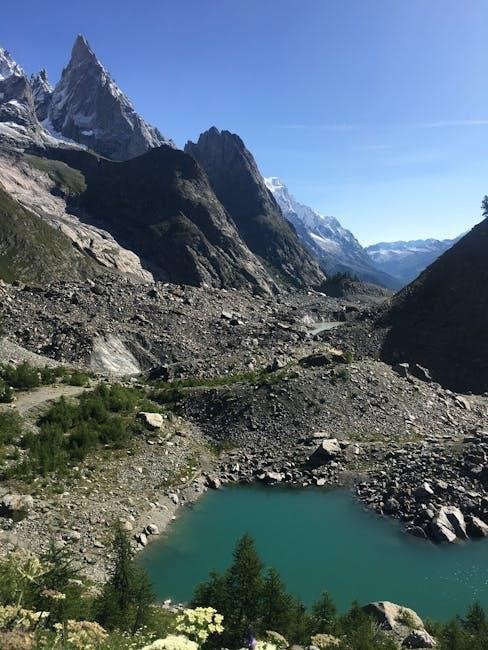
The Tour du Mont Blanc (TMB) is arguably one of the most iconic long-distance hiking trails globally, circling the majestic Mont Blanc massif. This incredible trek traverses through three countries – France, Italy, and Switzerland – offering a diverse landscape of stunning alpine scenery. It’s a challenging yet rewarding experience, attracting avid hikers from all corners of the world.
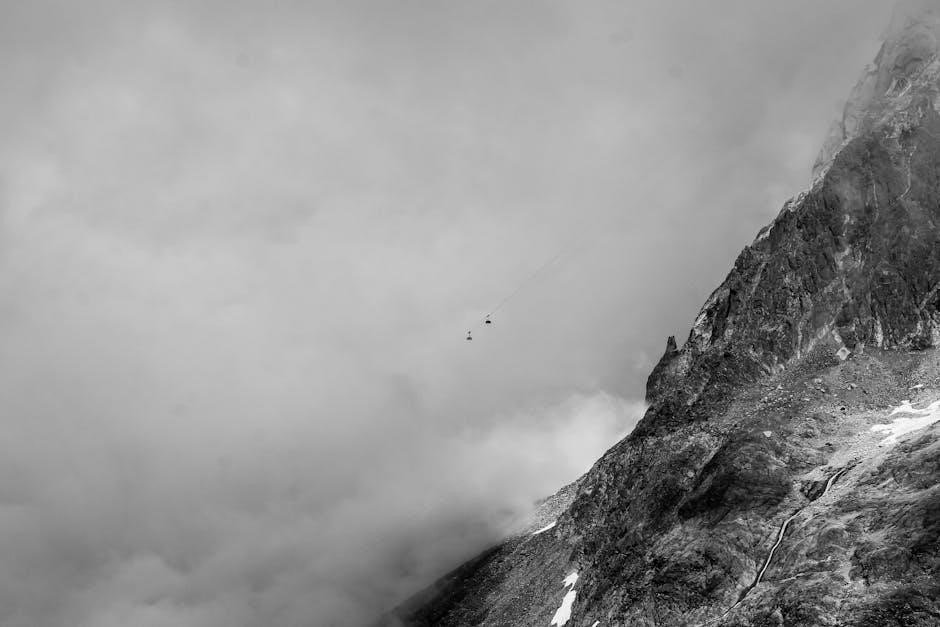
The circuit typically covers around 170 kilometers (106 miles) with approximately 9,600 meters (31,500 feet) of ascent and descent. Hikers are treated to breathtaking views of glaciers, rugged mountains, charming villages, and lush valleys. The TMB isn’t just a hike; it’s an immersion into the heart of the Alps, a journey that tests endurance and rewards with unparalleled natural beauty. Many choose to experience it via guided tours for logistical support.
The Classic TMB Route
The quintessential Tour du Mont Blanc route traditionally commences in Les Houches, France, gracefully winding its way counter-clockwise around the Mont Blanc massif. From Les Houches, the trail leads hikers through the Aosta Valley in Italy, showcasing a different cultural and scenic flavor. It then enters Switzerland, passing through charming villages and offering spectacular views of glaciers and peaks.
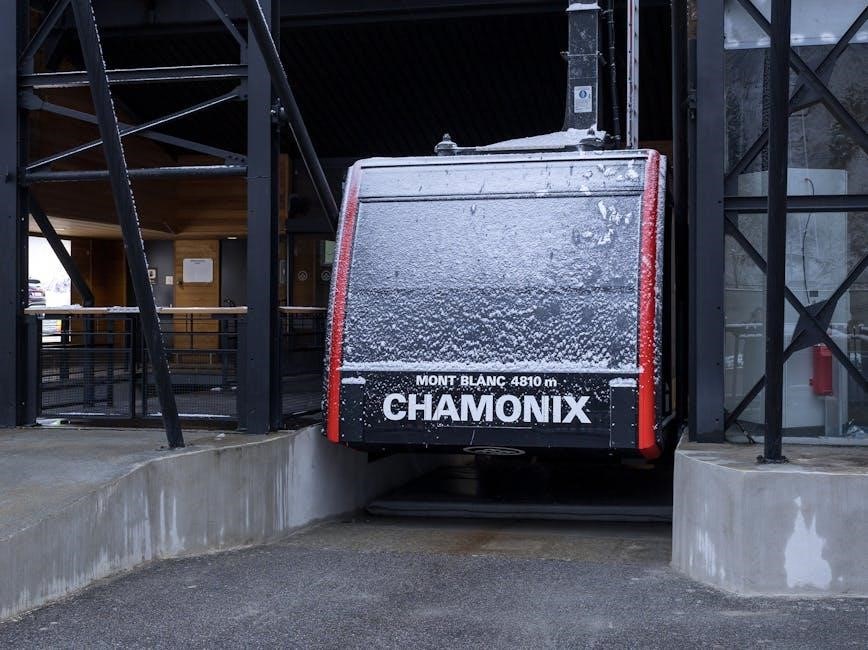
Key stages include ascents to iconic passes like the Col de Balme, the Grand Ferret, and the Col des Fours. The route eventually loops back into France, culminating in a triumphant finish in Chamonix. This classic itinerary generally takes between 10 to 11 days to complete, though variations exist. Guided tours often follow this established path, providing expertise and support along the way.
Benefits of a Guided Tour
Opting for a guided Tour du Mont Blanc experience unlocks a wealth of advantages. Expert guides handle logistical complexities – accommodation bookings, baggage transfers, and route navigation – allowing you to fully immerse yourself in the stunning scenery. They provide invaluable insights into the local flora, fauna, and cultural heritage, enriching your journey.
Furthermore, guided tours offer a safety net, with guides equipped to handle emergencies and provide first aid. They foster a sense of camaraderie within the group, creating lasting memories. For those unfamiliar with alpine trekking, a guided tour is particularly beneficial, building confidence and ensuring a successful completion of the circuit. Ultimately, a guided tour transforms a challenging hike into a seamless and rewarding adventure.
Cost Breakdown of a Guided TMB Tour
A guided Tour du Mont Blanc typically ranges between $1,600 and $2,000 per person, varying with route choices, comfort levels, and the season. Significant components include accommodation, meals, and guide/support staff fees. Expect to allocate funds for comfortable lodging, ranging from mountain huts to hotels and gites.
Meal costs cover three meals daily, often including packed lunches for on-trail consumption. Guide and support staff fees represent a substantial portion, reflecting their expertise in navigation, safety, and logistics. Additional expenses might encompass personal spending money, travel insurance, and optional activities. Planning ahead and understanding these cost factors ensures a financially prepared and enjoyable trekking experience.
Accommodation Costs
Accommodation along the Tour du Mont Blanc varies significantly, impacting overall tour costs. Mountain huts (refuges) offer the most economical option, typically ranging from €50 to €80 per night, including a basic dinner and breakfast. Gites, smaller, family-run establishments, provide a mid-range choice, costing around €70 to €120 per night. Hotels, found in valley towns, represent the most luxurious – and expensive – option, potentially exceeding €150 per night.
Guided tours often pre-book accommodations, securing availability, especially during peak season. Costs are influenced by room type (dormitory vs. private) and included amenities. Self-guided hikers can expect similar price ranges, but require independent booking. Budgeting approximately €75-€100 per night provides a reasonable estimate for a mix of hut and gite stays.
Meals and Refreshments
Meal costs on the Tour du Mont Blanc depend heavily on your dining choices. Mountain huts typically include a hearty dinner and breakfast in the accommodation price, ranging from €20-€30 for a half-board option. Lunch, however, is usually not included and requires packing your own or purchasing at refuges, costing around €15-€25. Gites and hotels offer more flexibility, with à la carte options available.
Guided tours frequently incorporate meals, simplifying budgeting. Expect to spend roughly €30-€50 per day on food if self-catering, factoring in snacks and drinks. Refuges sell basic supplies, but prices are inflated due to their remote location. Staying hydrated is crucial; water sources are available, but purification tablets are recommended. Allowing for occasional treats and celebratory meals adds to the overall expense.
Guide and Support Staff Fees
Guided Tour du Mont Blanc tours significantly increase costs, but offer invaluable expertise and support. Professional guides typically charge between €150-€250 per day, depending on their qualifications and experience. This fee covers route planning, navigation, safety management, and local knowledge. Support staff, such as baggage carriers, add approximately €50-€100 per day to the overall cost.
Larger groups may benefit from economies of scale, reducing the per-person guide fee. However, smaller groups allow for a more personalized experience. Fully inclusive tours often bundle guide fees, accommodation, and meals into a single price, simplifying budgeting. Consider tipping your guide and support staff for exceptional service, typically around 10-15% of the tour cost. Investing in qualified professionals enhances safety and enjoyment.
Self-Guided vs. Guided Tours: A Comparison
Choosing between a self-guided and guided Tour du Mont Blanc experience hinges on your comfort level and preferences. Self-guided treks offer independence and cost savings, potentially around $1500 USD, but demand meticulous planning and navigational skills. You are responsible for booking accommodations, arranging baggage transport, and navigating the trail. Guided tours, costing between $1600-$2000, provide peace of mind with pre-arranged logistics, expert guidance, and safety support.
Guided options are ideal for less experienced hikers or those seeking a more immersive cultural experience. Self-guided tours suit adventurous individuals who relish the challenge of independent travel. Consider your fitness level, language skills, and willingness to handle unexpected situations when making your decision. Ultimately, both approaches offer rewarding journeys around Mont Blanc, catering to different travel styles.
Choosing a Tour Operator
Selecting the right tour operator is crucial for a successful Tour du Mont Blanc adventure. Prioritize operators with a strong reputation and extensive experience in the region, ensuring they possess local knowledge and established relationships with accommodations. Investigate their safety protocols and emergency procedures – a responsible operator prioritizes hiker well-being.
Consider the group size and overall tour style. Do you prefer intimate small groups for personalized attention, or larger groups for a more social atmosphere? Review itineraries carefully, noting the daily distances, elevation gains, and included activities. Read past client reviews to gauge satisfaction levels and identify potential concerns. A reputable operator will offer transparent pricing and comprehensive pre-trip information, empowering you to make an informed decision.
Reputation and Experience
When evaluating tour operators for the Tour du Mont Blanc, their reputation and years of experience are paramount. Seek companies with a proven track record of successfully guiding hikers through this challenging terrain. Online reviews and testimonials offer valuable insights into past client experiences – pay attention to consistent themes, both positive and negative.
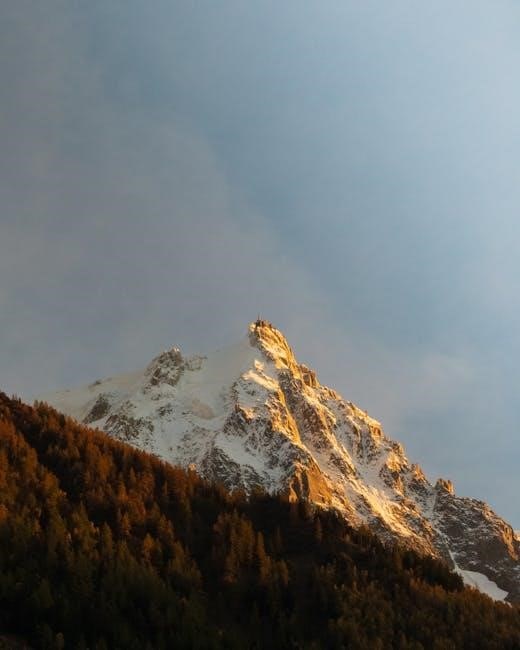
Look for operators deeply rooted in the region, possessing strong relationships with local accommodations and support networks. Experienced guides demonstrate in-depth knowledge of the trail, weather patterns, and potential hazards. A well-established operator will have robust safety protocols and emergency response plans in place, providing peace of mind. Don’t hesitate to ask about their guide-to-hiker ratio and the qualifications of their staff. Prioritize companies that prioritize responsible tourism and environmental sustainability.
Group Size and Style
The ideal group size and overall tour style significantly impact your Tour du Mont Blanc experience. Smaller groups, typically ranging from 8 to 12 hikers, foster a more intimate and personalized atmosphere, allowing for greater flexibility and interaction with the guide. Larger groups can be more economical but may sacrifice individual attention.
Consider whether you prefer a fast-paced, challenging itinerary or a more leisurely pace with ample time for exploration. Some tours cater to experienced trekkers seeking a rigorous adventure, while others are designed for those with moderate fitness levels. Inquire about the daily mileage and elevation gain to ensure it aligns with your capabilities. Also, determine if the tour emphasizes cultural immersion, wildlife spotting, or specific interests. A well-defined tour style ensures a cohesive and enjoyable experience for all participants.
Fitness Level Required
Successfully completing the Tour du Mont Blanc demands a good level of physical fitness. The trek involves several days of consecutive hiking, often over challenging terrain with significant elevation gains and descents. Participants should be comfortable walking for 5-8 hours daily, carrying a backpack weighing approximately 7-10 kg.
Prior to the tour, it’s crucial to engage in regular cardiovascular exercise, such as hiking, running, or cycling, to build endurance. Strength training, focusing on legs and core muscles, is also highly recommended. Ideally, you should be able to comfortably hike uphill for extended periods and navigate uneven surfaces. A reasonable level of flexibility and balance will further enhance your enjoyment and reduce the risk of injury. Assess your current fitness honestly and prepare accordingly for this demanding, yet rewarding, alpine adventure.
Essential Gear and Packing List
Preparing the right gear is paramount for a comfortable and safe Tour du Mont Blanc experience. Essential items include sturdy, broken-in hiking boots, waterproof and breathable outerwear (jacket and trousers), and moisture-wicking base layers. Pack a comfortable backpack (40-50 liters) with a rain cover, alongside trekking poles for stability.
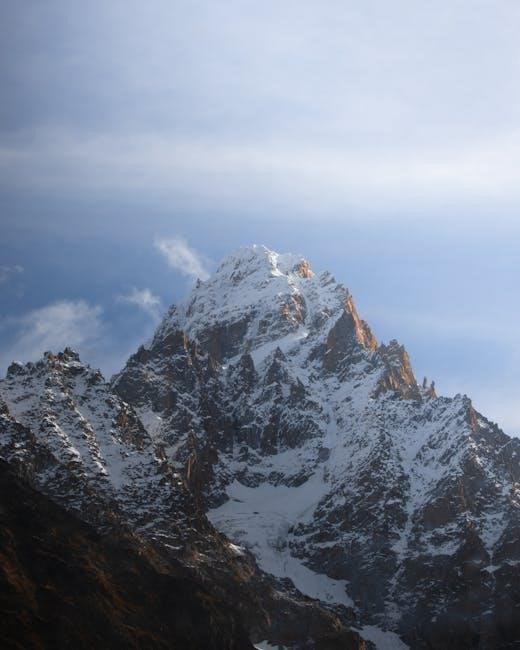
Don’t forget warm layers like fleece or a lightweight down jacket, a hat, and gloves, even in summer. Sun protection is vital – sunglasses, sunscreen, and a wide-brimmed hat are crucial. Other necessities include a headlamp, a reusable water bottle or hydration reservoir, a first-aid kit, blister treatment, and personal toiletries. Bring a power bank for charging devices and a camera to capture the stunning scenery. Keep your pack weight manageable for enjoyable daily hikes.
Accommodation Options on the TMB
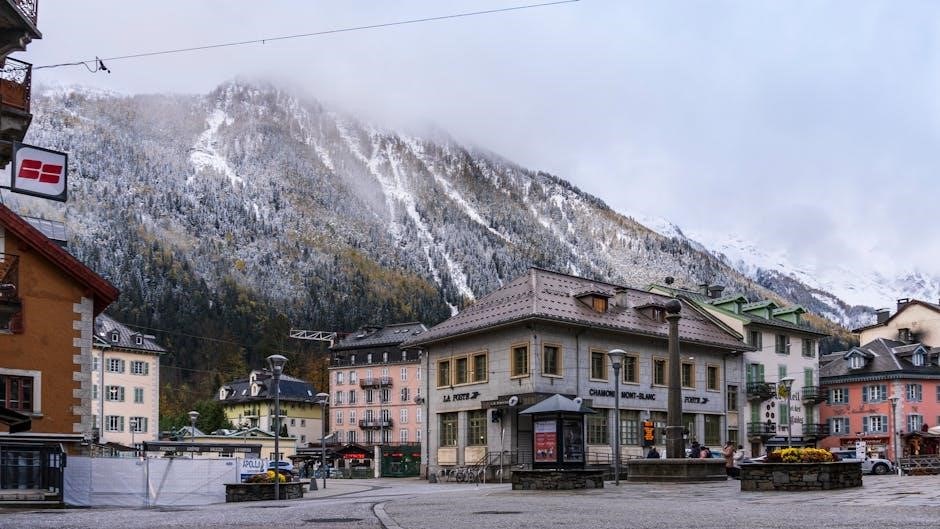
The Tour du Mont Blanc offers diverse lodging choices, catering to various preferences and budgets. Mountain huts (refuges) are a classic option, providing basic but cozy accommodation with dormitory-style sleeping arrangements and communal dining. Reservations are absolutely essential, particularly during peak season, as they fill up quickly.
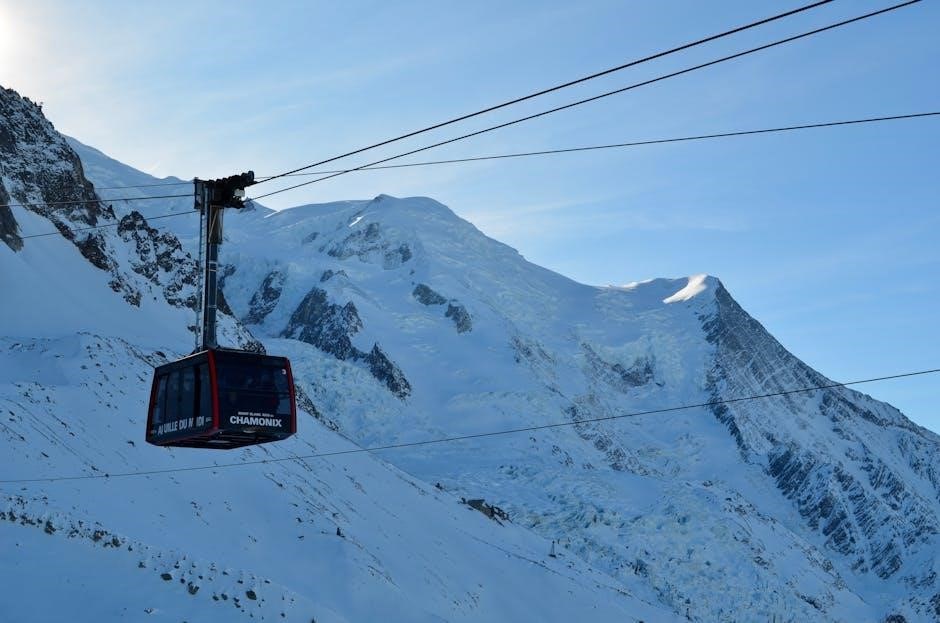
Alternatively, gites and hotels are available in villages along the route, offering more privacy and comfort. Gites are typically smaller, family-run establishments, while hotels provide a wider range of amenities. Camping is also permitted in designated areas, offering a low-cost option for adventurous hikers. Choosing your accommodation depends on your desired level of comfort, budget, and willingness to carry extra weight (e.g., a sleeping bag for refuges or camping). Pre-booking is highly recommended for all options, especially on a guided tour.
Mountain Huts (Refuges)
Refuges, or mountain huts, represent a quintessential Tour du Mont Blanc experience, offering rustic charm and a social atmosphere. Typically, they provide dormitory-style accommodation with shared sleeping spaces, accommodating anywhere from 4 to over 100 hikers. Expect basic amenities – bunk beds, blankets (though a sleeping bag liner is often required), and shared bathroom facilities.
Most refuges offer evening meals and breakfast, often a hearty, communal affair, and packed lunches can be arranged. Reservations are absolutely crucial, often needing to be made months in advance, especially for popular huts during peak season. Staying in refuges minimizes the weight you carry, as you only need essentials for the day’s hike. Be prepared for a lively, sometimes noisy, environment and embrace the camaraderie with fellow trekkers!
Gites and Hotels
For those seeking more comfort and privacy, gites and hotels offer alternatives to mountain refuges along the Tour du Mont Blanc. Gites are typically smaller, family-run establishments providing simple, private rooms, often with ensuite bathrooms. Hotels, found in villages and towns, range from budget-friendly options to more luxurious accommodations.
Choosing gites or hotels allows for a more restful night’s sleep and the convenience of private facilities. However, it generally increases the cost of the trek and requires carrying more gear, as you’re responsible for all your meals and supplies. Booking in advance is still highly recommended, particularly during peak season, to secure availability. These options provide a welcome break from the rustic simplicity of the refuges, offering a different perspective on the alpine landscape.
Daily Itinerary Example (Guided Tour)
A typical day on a guided Tour du Mont Blanc begins with a hearty breakfast at your accommodation. Following breakfast, the group embarks on a 5-7 hour hike, traversing stunning alpine trails with the guide providing insights into the local flora, fauna, and history. Lunch is often a packed meal enjoyed amidst breathtaking scenery.
Afternoon hiking continues, culminating in arrival at the next village or refuge. Evenings are spent relaxing, enjoying a delicious dinner, and receiving briefings for the following day’s trek. Guided tours handle logistics like baggage transfers, ensuring a comfortable experience. This allows hikers to focus solely on enjoying the journey. Variations exist based on the tour operator and specific route chosen, but this provides a general overview of a daily schedule.
Best Time to Hike the Tour du Mont Blanc
The optimal period for hiking the Tour du Mont Blanc is generally from mid-June to mid-September. During these months, the weather is most favorable, with warmer temperatures and less snow at higher altitudes. July and August represent peak season, offering the warmest conditions but also the largest crowds on the trails and in accommodations.
June and September provide a sweet spot – fewer hikers and pleasant weather, though some snow patches may linger early in June. Late September can be beautiful with autumn colors, but refuges may begin to close for the season. Outside of these months, conditions become unpredictable, with potential for snow, ice, and closed mountain passes, making the trek significantly more challenging and potentially dangerous.
Potential Challenges and How to Prepare
The Tour du Mont Blanc, while rewarding, presents several challenges. Altitude sickness is a concern, requiring gradual acclimatization and awareness of symptoms. Weather conditions can change rapidly in the Alps, demanding preparedness for rain, cold, and even snow, even in summer. The terrain is often steep and rocky, necessitating good physical fitness and sturdy footwear.
Proper preparation is crucial. Engage in regular cardiovascular exercise and strength training beforehand. Break in your hiking boots thoroughly to prevent blisters. Pack layers of clothing, including waterproof and windproof gear. Learn basic first aid and carry a well-stocked first-aid kit. Mental fortitude is also key – be prepared for long days and challenging ascents!
Booking and Reservations
Securing your place on a guided Tour du Mont Blanc requires advance planning, especially for peak season (July-September). Most tour operators allow online booking through their websites, often with options for different departure dates and group sizes. Early reservations – six to twelve months in advance – are highly recommended to guarantee availability and potentially benefit from early-bird discounts.
When booking, carefully review the tour operator’s terms and conditions, including cancellation policies and payment schedules. Confirm what’s included in the price (accommodation, meals, guide fees, transportation) and what’s not. Consider travel insurance that covers trekking and potential medical emergencies. Be prepared to provide personal information, emergency contacts, and any relevant medical details during the booking process.
Cost Estimates for 2025/2026
Planning a guided Tour du Mont Blanc in 2025/2026 requires budgeting carefully. Expect costs to range between 1,600 and 2,000 USD per person, though this is highly variable. Factors influencing price include the tour operator, level of comfort (hut-to-hut vs. hotel stays), and the season. Self-guided options can be significantly cheaper, around 1500 USD, primarily covering accommodation and meals.
A detailed breakdown reveals that a self-planned 10-day hike could cost approximately 826 USD. However, guided tours bundle services, offering convenience and expertise. Daily costs for a self-guided trek, utilizing mountain huts with breakfast, average 50-75 USD. Remember to factor in transportation to/from the trailhead, personal expenses, and potential gear purchases when estimating your total budget.
Alternatives to the Classic Route
While the classic Tour du Mont Blanc is iconic, several alternatives cater to different preferences and fitness levels. For experienced hikers seeking a challenge, variations incorporating ascents of Mont Blanc itself are available, adding significant difficulty and requiring specialized equipment. Shorter circuits, focusing on specific regions like the Chamonix valley or the Italian side, offer a taste of the TMB experience in less time.
Some tours offer variations that prioritize quieter trails, avoiding the most crowded sections during peak season. Others incorporate via ferratas or more technical terrain for adventurous trekkers. Consider exploring loops that connect with other long-distance paths in the region, creating a unique and personalized adventure. Ultimately, the best alternative depends on your experience, time constraints, and desired level of challenge.
Safety Considerations
Hiking the Tour du Mont Blanc, while rewarding, demands careful attention to safety. Mountain weather can change rapidly, so be prepared for all conditions – rain, sun, and even snow at higher altitudes. Proper navigation skills are crucial, even on well-marked trails; a map, compass, and GPS device are essential. Altitude sickness is a potential risk, so acclimatize gradually and stay hydrated.
Trail conditions can vary, with rocky sections and steep descents requiring sturdy footwear and trekking poles. Be aware of potential hazards like rockfalls and slippery surfaces. Inform someone of your itinerary and expected return date. Guided tours offer the benefit of experienced guides who can assess risks and provide assistance. Carry a well-stocked first-aid kit and know how to use it. Respect wildlife and maintain a safe distance.
Insurance Requirements
Comprehensive travel insurance is absolutely essential for undertaking the Tour du Mont Blanc. Your policy should specifically cover trekking at altitudes up to 4,000 meters, as the TMB traverses mountainous terrain. Ensure it includes coverage for emergency evacuation, which can be extremely costly if required – helicopter rescue is common in the Alps. Medical expenses coverage is also vital, as healthcare in Europe can be expensive for non-residents.
Look for a policy that covers trip cancellation or interruption, protecting your investment should unforeseen circumstances prevent you from completing the trek. Check the fine print regarding pre-existing medical conditions and ensure they are adequately covered. Some tour operators may require proof of insurance before allowing you to join a guided tour. Consider additional coverage for lost or stolen belongings. Adequate insurance provides peace of mind and financial security.
Sustainable Hiking Practices
Protecting the pristine alpine environment of the Tour du Mont Blanc is crucial for future generations. Practice “Leave No Trace” principles: pack out everything you pack in, including food wrappers and waste. Stick to marked trails to avoid erosion and disturbance to fragile ecosystems. Respect wildlife and maintain a safe distance. Minimize your impact by using reusable water bottles and avoiding single-use plastics.
Support local businesses and communities along the route, contributing to the regional economy. Choose eco-friendly tour operators committed to responsible tourism. Be mindful of water usage, especially in mountain huts where resources are limited. Consider offsetting your carbon footprint from travel. Proper waste disposal and trail etiquette are essential. Responsible hiking ensures the TMB remains beautiful for all.